Moving House in Glasgow? Here’s Why Changing the Locks Should Be on Your To-Do List
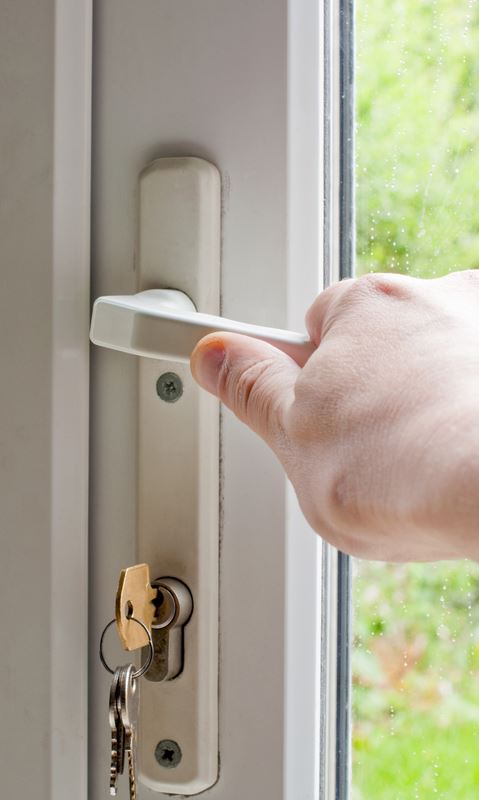
Moving day is chaotic enough without thinking about locks. But if there’s one job worth squeezing onto your checklist, it’s this one: change the locks as soon as you get the keys to your new home.
It doesn’t matter whether you’ve just bought your first flat in the Southside, moved into a rental in the West End, or you’re a landlord preparing a property for new tenants; the same question comes up every time: do I actually need new locks, or am I just being paranoid?
As a Glasgow locksmith who does this job regularly, my honest answer is that changing the locks is one of the cheapest and most effective security steps you can take when you move. Here’s why, who’s responsible for it, and what’s actually involved.
Why Changing the Locks When You Move House Matters
The short answer: you have no way of knowing how many keys exist for your new front door, or who’s holding them.
When you buy or rent a property, you’re usually handed two or three keys by the previous owner, letting agent, or landlord. But over the years, a home can pass through the hands of:
- Previous owners or tenants
- Family members who were given a spare key “just in case”
- Cleaners, dog walkers, or tradespeople
- Neighbours holding a key for emergencies
- Estate agents or property managers
You simply can’t verify that every copy has been returned. A new lock resets that risk completely, and it means the only people with access are the people you’ve given a key to.
Who Actually Needs to Do This?
Homeowners
If you’ve just completed on a house purchase, changing the locks is entirely your decision and, in my experience, one of the most sensible things to do in the first week. It’s a small cost compared to the value of the property you’re now protecting.
Tenants
If you’re renting, check your tenancy agreement before changing anything. Many agreements require you to get permission from your landlord or letting agent first, and you’ll usually need to hand over a set of new keys once it’s done. If you have concerns about who else might hold a key to your rented property, raise it with your landlord directly.
Landlords
Between tenancies is the obvious moment to change locks, but it’s worth doing even between different tenants who’ve each had their own keys cut. It protects your property and gives incoming tenants confidence that they’re the only ones with access. It’s also worth checking the condition of the locks themselves at each changeover a lock that’s a few years old and getting stiff is a good candidate for replacement rather than just a clean and oil.
Do You Need to Change Every Lock, or Just the Front Door?
This depends on the property, but as a general rule:
- External doors first — front door, back door, and any side or patio doors are the priority, since these are the main entry points.
- Garages and outbuildings — worth including if they connect to the house or store anything valuable.
- Windows — usually lower priority unless they’re at ground level and easily accessible, or the previous occupants specifically mentioned lost window keys.
You don’t necessarily need to replace every lock in the house on day one. If budget is tight, prioritise the doors that are actually used for access and come back to garages or sheds afterwards.
What Type of Lock Should You Choose?
This is where it’s worth spending a bit of time getting it right, rather than just fitting a like-for-like replacement.
- Anti-snap euro cylinder locks — a sensible upgrade if your uPVC or composite door currently has a standard euro cylinder, since these are the type most commonly targeted by lock-snapping.
- BS3621 insurance-approved locks — many home insurance policies specify that external doors need locks meeting this British Standard. If you’re not sure what’s currently fitted, it’s worth checking, particularly if you’re taking out a new policy on the property.
- Nightlatch (Yale-style) locks — common on timber front doors, often fitted alongside a mortice lock for extra security.
- Mortice locks — typically found on wooden doors and worth checking for wear, especially on older properties.
Liberty Locksmiths only fits established brands such as Yale, ERA and Union, and can supply and fit locks up to the insurance-approved BS3621 standard. If you’re not sure what’s currently on your door, our guide on how to identify the type of lock on your door is a good place to start.
What About uPVC and Composite Doors?
Most newer Glasgow homes have uPVC or composite front and back doors with multipoint locking mechanisms, which work differently to a traditional mortice or nightlatch setup.
A few things worth knowing:
- The euro cylinder (the part the key goes into) can usually be swapped out on its own, without replacing the whole mechanism. This is often the cheapest way to secure the door and upgrade to an anti-snap cylinder.
- If the door has become difficult to lock or feels heavy to operate, this can be a sign the door has dropped slightly on its hinges, rather than a fault with the lock itself.
- The gearbox inside a multipoint mechanism can fail over time and will need replacing rather than repairing.
If your new home has this type of door and something doesn’t feel right when locking or unlocking it, it’s worth getting it checked rather than assuming it’s fine. We specialise in uPVC door repairs, including multipoint gearbox replacement, so we can usually sort this in the same visit as changing your euro cylinder.
Can You Change the Locks Yourself?
If you’re reasonably handy, swapping a euro cylinder on a uPVC door is a job some homeowners do take on themselves, provided you measure the cylinder correctly and buy a matching replacement.
Mortice locks and nightlatch locks are a bit more involved, since they’re recessed into the door and need to line up precisely with the strike plate on the frame. Get this wrong, and you can end up with a door that doesn’t close properly or, worse, isn’t properly secure, which defeats the whole purpose.
If you’re not confident, or the door is uPVC with a multipoint mechanism, it’s worth having a locksmith do it. It also means the work is checked over by someone who does this every day, rather than finding out it’s not quite right after the locksmith who fitted it has already left, something we’ve written about in our post on avoiding ‘bait and switch’ rogue locksmiths.
How Much Does It Cost to Change Locks When Moving House?
Costs vary depending on the type and number of locks involved, but as a guide, our replacement locks service starts from £50. We provide a fixed-price quote before starting the job, so you know the cost upfront with no surprises, no call-out charge, and no VAT added.
Because we carry a wide range of locks in the van, we can complete most jobs, including moving-day lock changes, in a single visit.
A Simple Moving-Day Locksmith Checklist
- Check your tenancy agreement (if renting) before changing any locks
- Identify all external doors, garages and outbuildings that need new locks
- Decide whether you want a straightforward like-for-like swap or an upgrade to anti-snap or BS3621 locks
- Check whether your home insurance specifies a lock standard
- Book your locksmith in advance if possible, especially around a moving date
- Ask for all old keys back from previous owners, agents or outgoing tenants before the changeover, where relevant
Final Thoughts
Changing the locks when you move into a new home isn’t about assuming the worst of anyone who lived there before you; it’s simply about knowing exactly who holds a key to your own front door. It’s a straightforward job; it’s not expensive, and it’s usually done in a single visit.
If you’ve recently moved, or you’re a landlord getting a property ready for new tenants, get in touch with Liberty Locksmiths, and we’ll talk you through the best option for your doors. You can contact us directly, and you’ll be speaking to the locksmith carrying out the work, not a call centre.
Frequently Asked Questions
No, there’s no legal requirement to change the locks when you buy or rent a home. It’s a personal security decision, but it’s widely recommended since you can’t be certain how many keys exist or who holds them.
This depends on the tenancy agreement, which will usually set out whether tenants can change locks and what’s expected in terms of notifying the landlord and handing over spare keys. It’s best to check your agreement or speak to your landlord before making any changes.
For uPVC and composite doors, replacing just the euro cylinder is usually the cheaper option and is often enough to secure the door, particularly if you’re upgrading to an anti-snap cylinder. Mortice locks and nightlatches typically need to be replaced as a full unit.
Most straightforward lock changes are completed in a single visit, since our van carries a wide range of locks. Jobs involving multiple doors or unusual lock sizes may take a little longer, particularly if a part needs to be ordered.
Many insurers require external doors to have locks meeting the BS3621 British Standard. It’s worth checking your specific policy documents, or asking your locksmith to check what’s currently fitted if you’re unsure.
It’s common practice and gives incoming tenants confidence that they’re the only ones with a key to the property. It’s also a good opportunity to check the general condition of the locks, since worn mechanisms can cause access problems later on.